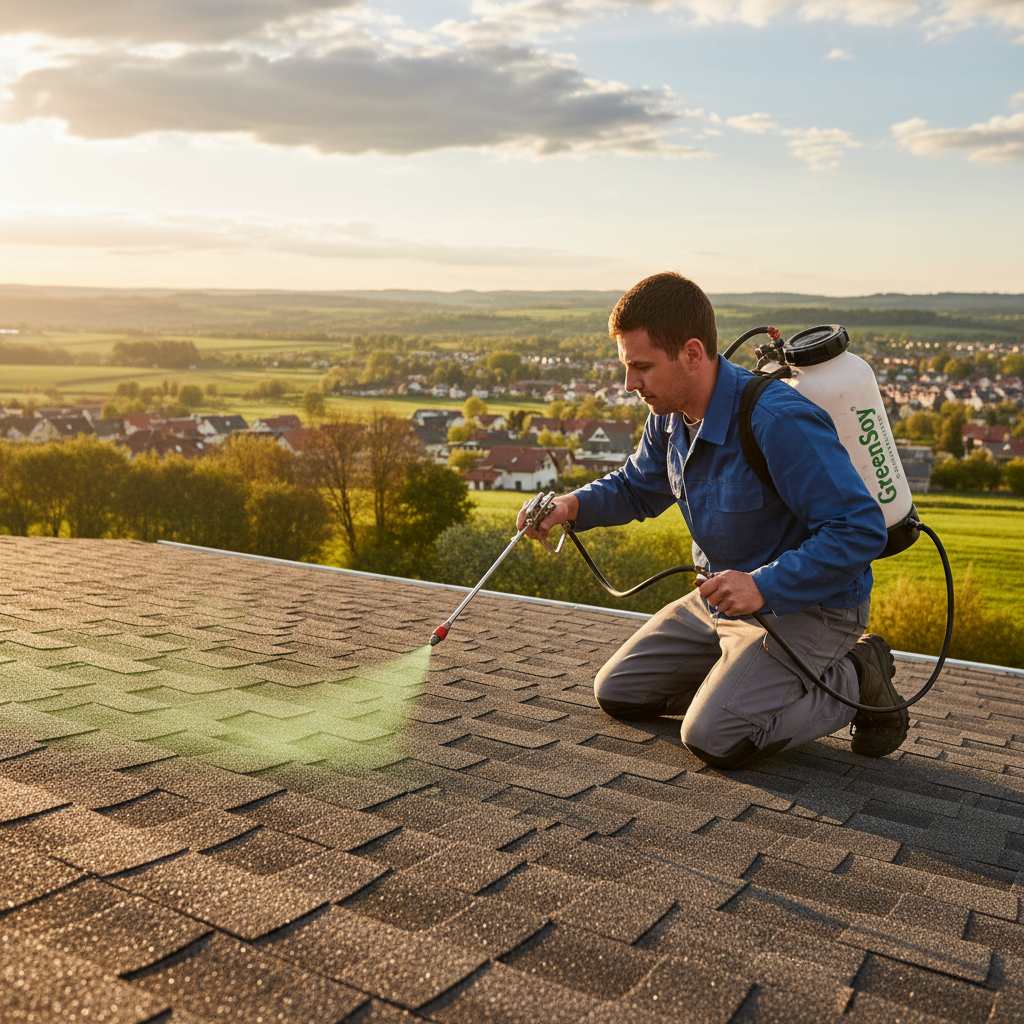
If black streaks are making your roof look worn out, a softwash roof can be a safe way to clean it without the shingle damage risks that come with high-pressure washing. The catch is that “softwash” gets used loosely, and the wrong method can still strip granules or push water where it shouldn’t go.
In Wilmington’s heat, humidity, and shade, you don’t just need the roof to look better. You need peace of mind about what you’re agreeing to and what “done” looks like when the crew leaves, like a pre-flight checklist before takeoff. This guide will help you spot when softwashing is a bad idea on an aging roof and what a proper softwash process should include. It’ll also cover what results to expect right away versus over the next day or two, and how to compare bids based on safety and process instead of marketing promises.
When a Softwash Roof Is a Bad Idea

You can pay for a “gentle clean” and end up with loose granules in the gutters and a surprise leak. The problem is that the roof can look like a cleaning issue right up until it becomes a repair issue.
Softwashing is usually gentler than pressure washing, but that doesn’t mean every “softwash” quote protects an older roof. If their Google Reviews read sketchy, don’t let them introduce liquid into an aging system. If your shingles are already failing, cleaning can turn “ugly but functional” into an expensive repair.
Skip the softwash and get a roofer to assess repairs or replacement first if you see red flags like active leaks or widespread brittle or curling shingles (common on 20–25+ year roofs). As an example, if you can lift shingle tabs easily or you’re finding piles of granules after every Wilmington storm, you don’t need a cosmetic fix, you need a plan for the roof’s remaining life.
Heavy granule shedding after storms is one of the clearest signs your shingles may be too fragile to safely handle any cleaning. Read more in our article: [Shingle Granules Gutters]
What “Softwash Roof” Should Mean
A real softwash roof cleaning is a chemical-based, low pressure roof cleaning treatment applied at very low pressure to kill algae (the black streaks) or other organic growth, then optionally rinsed with low pressure. It’s not “pressure washing, but lighter,” so get a couple quotes for roof cleaning Wilmington NC and listen for the process. If a company’s plan relies on blasting the roof to make it look clean immediately, you’re back in the granule-loss danger zone that roofing manufacturers warn about.
In practice, reputable roof softwashing usually means a sodium hypochlorite (bleach) solution applied in a working range roughly around 1%–6% (many contractors target about 3%–5% on asphalt shingles) and a surfactant so it clings and dwells instead of running straight into your gutters, as described in softwash best-practice guidance. The key mechanism is dwell time and saturation. Think of it like sunscreen soaking in, not a wire brush. For instance, it can be normal for stains to lighten over the next day or two, especially after weather helps rinse dead growth away, so “it didn’t change in 10 minutes” isn’t automatically proof you got a bad job.
In Wilmington’s shade and humidity, the black streaks are typically algae, and understanding what causes it helps you predict how fast it will return after cleaning. Read more in our article: [Roof Algae Causes Coastal Nc]
| What to verify | What you want to hear/see | Why it matters |
|---|---|---|
| Application pressure | Very low application pressure (often under 500 PSI, sometimes closer to garden-hose pressures) | Reduces granule-loss and water intrusion risk compared with high-pressure washing |
| Shingle contact | No aggressive scrubbing or brushing of shingles | Avoids mechanical damage to aging shingles |
| Spray direction & rinsing | No spraying up under shingle tabs and no high-pressure rinsing | Helps prevent driving water under tabs and damaging the roof system |
| Dwell & rinse plan | A clear plan for dwell time and whether they’ll do a gentle rinse or a “leave-on” treatment | Results often improve over 1–2 days; process matters more than instant appearance |
| Ask about pressure & technique (bid comparison) | What pressure they apply and how they avoid spraying up under shingle tabs | Separates true softwash from “pressure wash, but lighter” |
| Ask about mix & dwell (bid comparison) | What working mix range they use on asphalt shingles and how long they target for dwell before any rinse | Shows they’re relying on chemistry + dwell time, not force |
| Ask about roof access (bid comparison) | How they’ll handle roof access on an older shingle roof (where they’ll walk, what they won’t step on) | Limits damage from foot traffic on brittle/lifting shingles |
| Ask about runoff control (bid comparison) | What they’ll do to dilute and control runoff at gutters and downspouts (plant pre-wet, coverings, and post-rinse) | Reduces landscaping and exterior-surface damage from concentrated discharge |
What You’ll Pay, and Why
Two neighbors can have the same black streaks, get two “softwash” quotes, and one of them includes plant protection, controlled runoff, and a slower, safer application. The price gap starts to make sense when you picture what the crew is actually doing for those extra hours.
What you pay to softwash a roof (your soft wash roof cost) mostly tracks two things: how long it takes to apply and control the treatment and how hard it is to do that without creating collateral damage. That’s why pricing can swing wildly, even when both bids use the same “softwash” label. You’re paying for careful setup, controlled application, and cleanup. You’re buying a process, and that is worth the squeeze if it prevents a cleaning from turning into a repair.
-
Roof pitch and height (steep, tall, hard-to-reach planes)
-
Complexity and breakups (valleys, dormers, skylights, multiple rooflines)
-
Type and severity of growth (light algae vs heavier shaded growth, moss, thick buildup)
-
Process time and solution needs (dwell time, solution volume, possible second coat)
-
Runoff exposure and protection requirements (downspout discharge areas, plant pre-wet, coverings, gutter and downspout dilution)
Cleaning vs Rejuvenation vs Replacement

Most Wilmington roofs that get cleaned will not stay clean for a decade, even when the job is done right. Many contractors peg the practical re-clean interval for a biocide-based softwash at roughly 2–5 years (a common expectation noted in industry guidance), so the smarter choice depends on where you are in the roof’s life cycle.
A softwash roof cleaning mainly changes how the roof looks and how fast algae comes back. It doesn’t “reset” aging shingles, and a roof can look dramatically better while still being near the end of its service life. Rejuvenation, on the other hand, is sold as a life-extension step to extend roof life (restoring flexibility), so you should treat it like a roof-life decision, not a cleaning add-on.
Use timing to choose: if your roof is mid-life and you need curb appeal or HOA compliance, cleaning usually makes sense; if you’re trying to kick the can down the road a few years, evaluate rejuvenation only after you confirm the shingles are still fundamentally sound. If you’re already in the 20–25+ year range with failures showing up, replacement planning beats paying for “one more” cosmetic win when the roof’s odometer is already high.
If you’re weighing cleaning against life-extension or planning for a full replacement, it helps to compare the tradeoffs in cost, timing, and remaining roof life side by side. Read more in our article: [Roof Rejuvenation Vs Cleaning]
Softwash Roof Questions (FAQ)
Will Softwashing Kill My Plants Or Mess Up My Landscaping?
It can if runoff gets concentrated at a downspout, which is why you want roof cleaning chemicals safe for plants and a clear plan for pre-wetting plants and thoroughly diluting and rinsing after. If a contractor shrugs off runoff control, you’re the one who pays for the damage.
Is It Safe For Pets, Kids, And The Smell Around The House?
You should keep pets and kids inside during application and until everything is well-rinsed and dry, since the odor or irritation risk is highest while the solution is fresh. A reputable crew will ventilate the work area naturally and avoid spraying near open windows and doors.
What About Gutters And Downspouts?
Softwashing sends solution and dead organic material into your gutters. You should expect deliberate flushing and a downspout dilution plan, not a “we’ll let the rain handle it” approach. If your downspouts dump into one mulch bed, ask how they’ll prevent a hot, concentrated discharge there.
Do Zinc Or Copper Strips Stop Algae From Coming Back?
They can slow regrowth, but they don’t reliably eliminate future cleanings in Wilmington’s wet, humid conditions because performance depends on rainfall, roof layout, and coverage. Treat them as prevention help, not a one-time permanent fix.
Can I DIY A Softwash, And Will Cleaning Affect My Roof Warranty?
If you handle the method the way your manufacturer expects and keep a record of it, you’ll get the cosmetic win without gambling on warranty headaches later. The same goes for hiring a pro who can explain the mix, dwell, and rinse plan clearly.
DIY is where most roof and landscaping damage happens, even with that Home Depot weekend-project confidence, because you can’t easily control strength or dwell at roof scale. You still have fall risk, so hiring a pro is usually the smarter move. If your shingles have an algae-related warranty or your manufacturer has specific cleaning limits, ask your contractor to follow those constraints and document the method.
Roof not getting any younger? Contact us or call 703-673-6301 to find out where you stand.Our Wilmington soft wash roof cleaning handles exactly this, calibrated for coastal shingles.