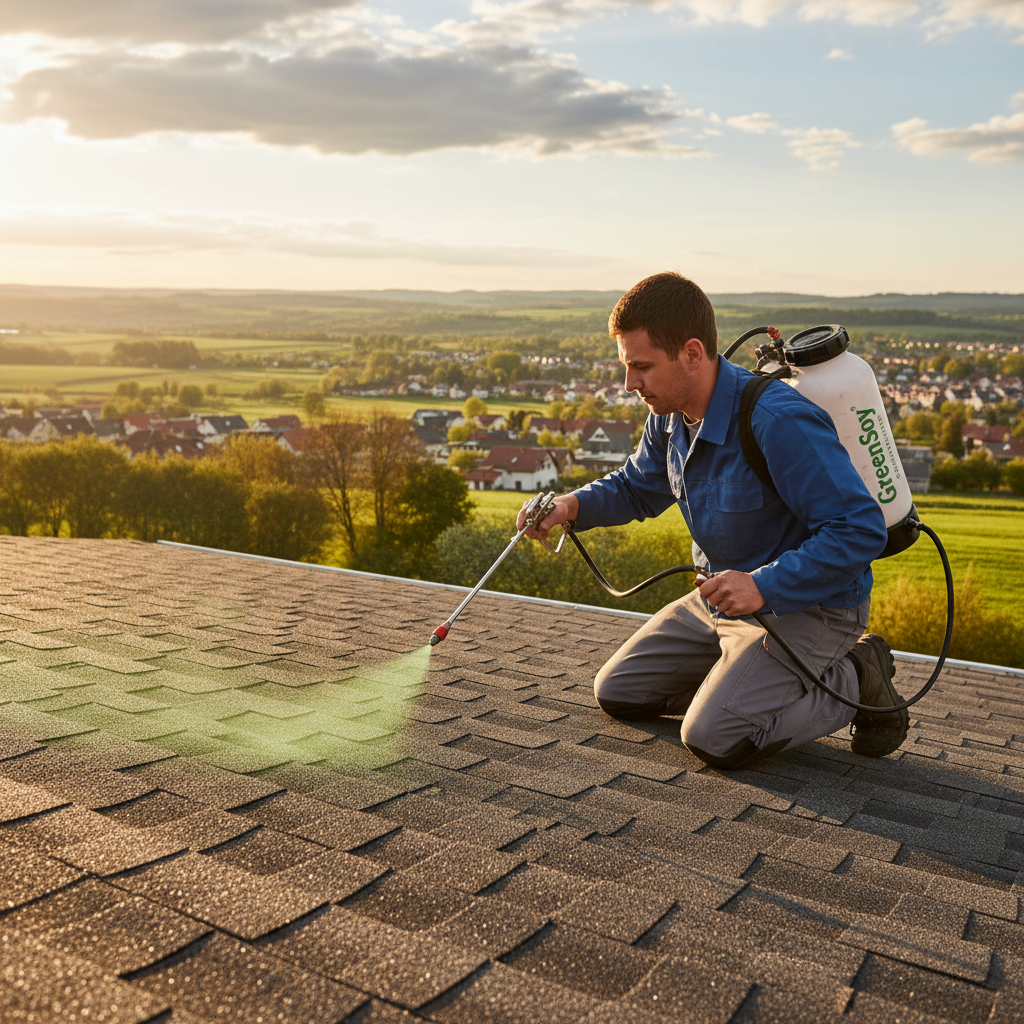
If your asphalt shingle roof is 10–15 years old, roof rejuvenation may be an option, but only under the right conditions. You’re probably not “too late” just because of age, but you are too late if your roof has already started failing as a system.
A practical way to look at it: rejuvenation may buy you time if your shingles still lie flat and stay flexible. It works only if you don’t have active leaks or failing flashing letting water in. Brittle shingles that snap when lifted or soft decking mean a treatment won’t help, so put that budget toward repairs and a replacement plan instead. This article covers the pass/fail checks that matter most, especially in coastal North Carolina where sun and wind can age two same-year roofs in different ways.
The 10–15 Year Window, But Only If Condition Passes

Even at the “right” age, hidden failure points can make rejuvenation a bad spend. The painful version is finding out after the first hard wind or driving rain that the system issues were there all along.
A 10–15 year old asphalt shingle roof often sits in the range roof rejuvenation companies target, roughly mid-life where you might be able to buy a few more years instead of jumping straight to replacement (many providers describe a workable candidate band of roughly 6–15 years, assuming condition is good). But age is only a rough filter, not a verdict, especially around Wilmington where sun, salt air, and storms can make two “12-year roofs” behave nothing alike.
The decision comes down to system health: flexible, flat shingles and no leak clues tied to flashing or decking problems a spray can’t touch. Relying on curb appeal leads to wrong calls, whether you reject a good candidate or greenlight a bad one. Looks are a terrible referee here, since dark algae streaks can look scary while the shingle is fine, and a clean-looking shingle can still be brittle.
The Pass/Fail Roof Rejuvenation Check
A homeowner hears “rejuvenation” and schedules it, then a contractor performs a shingle brittleness test by lifting one tab and the corner snaps clean off (a common field rule-of-thumb is that if a corner cracks when gently lifted, restoration is unlikely to reverse the brittleness, see Can This Roof Be Saved). In two seconds, the question stops being marketing and becomes a simple pass or fail.
| Check type | What to look for (field signs) | What it means for rejuvenation |
|---|---|---|
| PASS (must pass) | Shingles stay flexible; tabs don’t crack when gently lifted | If they crack, brittleness is past the point a treatment is likely to reverse |
| PASS (must pass) | Tabs lie flat (no widespread curling, cupping, “fishmouthing”) | Rejuvenation won’t re-seat deformed shingles; wind-driven rain risk remains |
| PASS (must pass) | Granule loss is limited (no heavy balding/exposed black asphalt; no piles in gutters) | Heavy balding means the wear layer is gone; bald patches push you toward replacement |
| HARD STOP (automatic fail) | Active leaks, soft decking, or rot; progressing stains/spongy sheathing/repeat leak repairs | A spray can’t fix the underlying water pathway; shift to repair/replacement planning |
| HARD STOP (fail until repaired) | Flashing or penetration failures (chimneys, step flashing, pipe boots, skylights, walls) | Treatment doesn’t correct metal details or failed seal points; repair first |
| HARD STOP (automatic fail) | Missing, sliding, or unsecured/unsealed shingles | You need mechanical repair first; rejuvenation isn’t a substitute for fastening/sealing |
If you “pass,” your next step is to kick the tires on it with documentation, not promises: photos of the specific conditions above (especially tabs, edges, penetrations, and attic decking) so you can justify that you’re paying to buy years, not to postpone an inevitable tear-off by a single storm.
A basic brittleness/flex test can quickly tell you whether a treatment is even worth pricing out. Read more in our article: Shingle Flexibility Test
Coastal NC Reality Checks

In coastal North Carolina, your eyes will lie to you if you let “how it looks” make the call, like trusting a fresh coat of paint to prove the decking underneath is sound. On many Wilmington roofs, black streaks are just algae staining and don’t automatically mean the shingles are spent (the streaking is often linked to algae/cyanobacteria such as Gloeocapsa magma). Meanwhile, the damage that ends a roof’s serviceable life often comes from wind events and heat load: repeated gusts can break seal strips and lift tabs, and a hot, poorly vented attic can bake shingles from underneath, speeding up brittleness even when the roof still looks uniform from the street.
Before you treat anything, pressure-test your story with local context: Have you had a named storm or a big nor’easter since install? Do you see tabs that won’t stay sealed after windy weeks, or nails popping on ridges and near edges? And when you check the attic on a sunny afternoon, does it feel like an oven, hinting at ventilation issues that will keep aging the roof fast even after a treatment?
Black streaks are often algae staining rather than shingle failure, especially in humid coastal climates. Read more in our article: Roof Algae Black Streaks
What Rejuvenation Can Buy You

Done at the right moment, you get to postpone a disruptive tear-off and keep the roof performing through a few more seasons. Done with the wrong expectations, you pay for a feel-good spray and still end up chasing leaks.
If your 10–15 year roof truly passes the condition checks, rejuvenation is best understood as a way to buy time, not to rewind the clock, and it’s worth keeping a Consumer Reports-style mindset about claims versus proof. Providers often point to accelerated lab testing on older shingles (for example, protocols that use hours of weathering to simulate a handful of years) to support life-extension claims, such as PRI Asphalt Technologies accelerated weathering commonly described as 1,500 hours simulating about five years. That can make the concept more credible, but it still doesn’t prove your specific roof will “come back” or perform like a new install.
The line you shouldn’t cross is thinking a spray fixes roof failures. It doesn’t. Rejuvenation doesn’t repair flashing and it won’t solve active leaks. If the roof system has real pathways for water, the right move is repair or replacement, even if the shingles look decent from the yard, because the Home Depot / Lowe’s roofing aisle reality is that goop and patches don’t re-engineer flashing details.
Roof Rejuvenation vs Replacement Decision
Replacement pricing is often framed around $4–$10 per sq ft installed, with many total-project examples landing around $8,500–$22,000+ depending on complexity. That spread is exactly why “up to ~80% less” rejuvenation pricing can look irresistible, even when it should not be.
A pass means you’re extending a roof that still functions, not attempting to revive a system already in failure. If you hit any hard stop (active leaks or flashing failures), stop spending on treatments and put that money toward repair plus a replacement plan. You can’t “spray” your way out of a water pathway.
If you have any active leak symptoms, repairing the entry path needs to happen before you consider any life-extension treatment. Read more in our article: Early Roof Leak Signs
To make the math real, compare it to replacement pricing in many markets (often roughly $4–$10 per sq ft installed, or $8,500–$22,000+ total depending on complexity) versus rejuvenation that’s commonly marketed at a fraction of that (see one recent cost comparison example at Hardshore Exteriors). Even if rejuvenation is “80% less,” it only makes sense if you’ll actually keep the home long enough to value the extra runway.
Before you sign, get a second set of eyes on it and require documentation you can evaluate: dated roof photos and an attic/decking moisture check. Require the exact product name plus safety/technical documents, and a written warranty that spells out what’s covered (and what isn’t, especially leaks), so you’re not throwing good money after bad.
Roof not getting any younger? Contact us or call 703-673-6301 to find out where you stand.For roofs that are weathered but structurally sound, our bio-based roof rejuvenation in Wilmington adds 6 or more years of life.